


ESF Explore - Term 2
Term 2 Registration is Now Open!

New Year, New Level of Learning

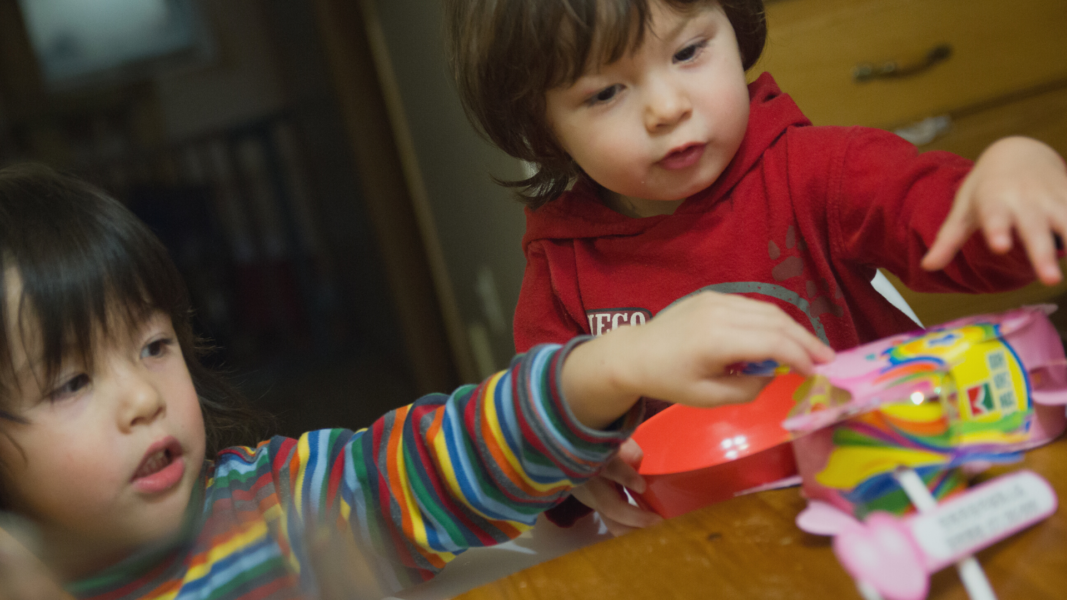
Energise your child’s learning journey with programmes designed to uncover their strengths and elevate their skills with our progressive curriculum. From infancy to teen years, children develop academic and language abilities through diverse activities including playgroups and immersive English, French, and Spanish classes.

Our extensive sports programme features over eight popular sports such as basketball, football, swimming, multi-sports, tag rugby, gymnastics, tennis, and pickleball. These sports help build physical strength, coordination, teamwork, and confidence. Supported by experienced educators, every programme fosters holistic growth—building creativity, resilience, and social skills so your child thrives both academically and personally.


Explore the programme listing by age HERE

Check out our Term Time Catalogue HERE


Follow us on social media!

cart
MENU

Media

27th Jan 2022
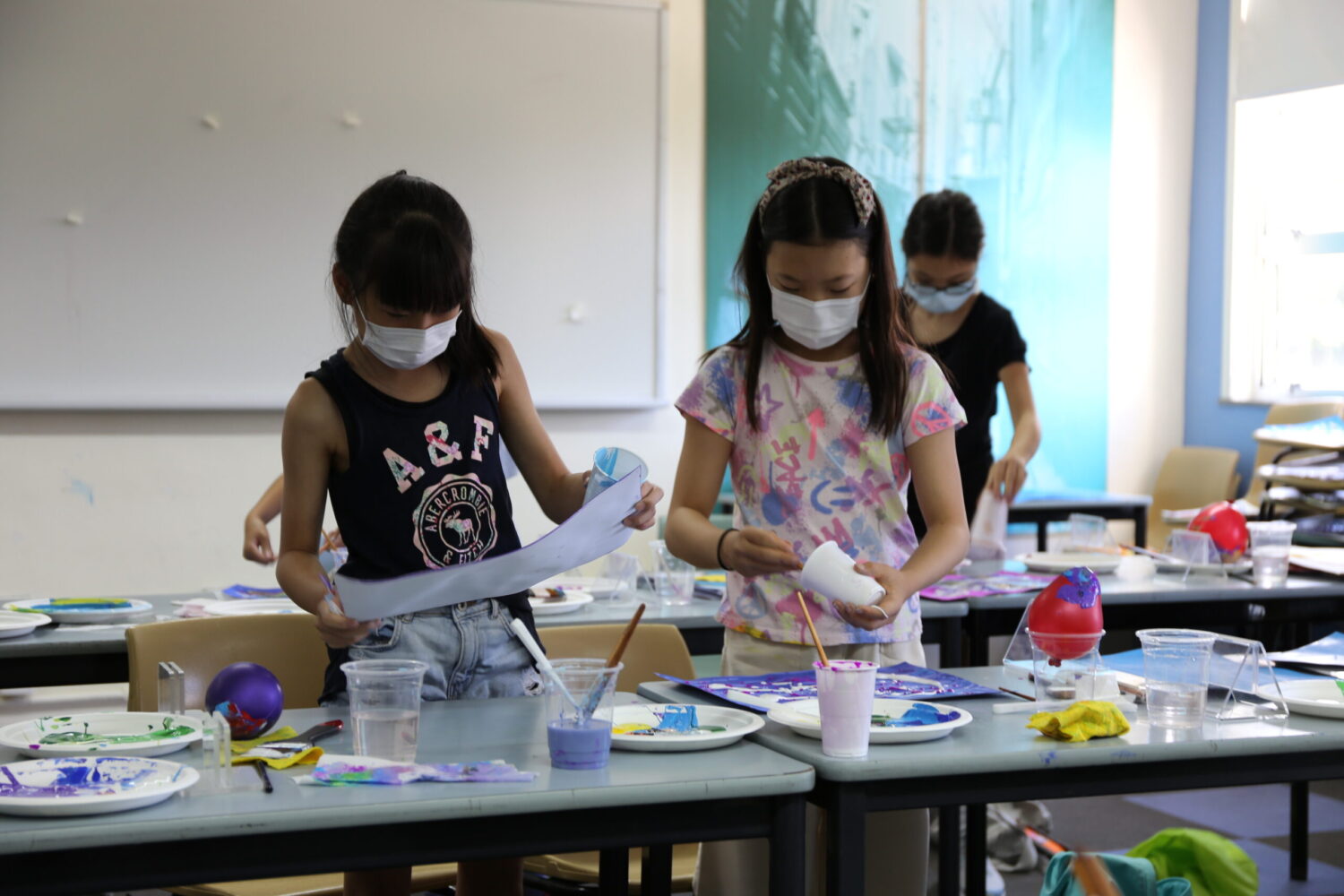
Year of the Tiger 2022 - Art and Craft Ideas
To mark Chinese New Year, let's look at some fun art and craft ideas that children can complete with their parents and guardians.
25th Jan 2022
The Power of Art in Education
Art is important for healthy development among children. It contributes to plenty of benefits, such as improved creativity and self-confidence.
20th Jan 2022
Could Students Benefit From Learning At Home?
While students are forced out of school due to the pandemic, learning at home could be beneficial to children, especially when considering factors such as a more flexible schedule and reduced stress.
14th Jan 2022
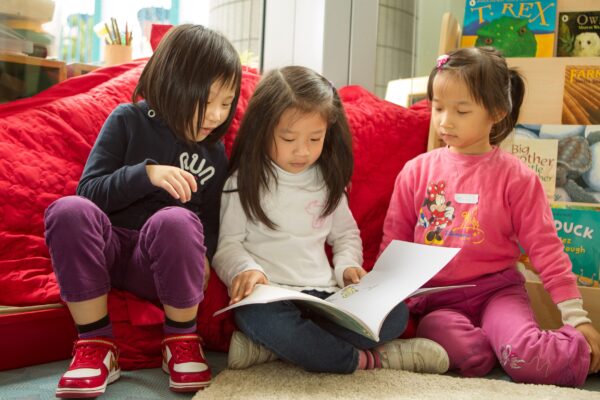
Why It's Better To Learn A Second Language When You're Young
Bilingualism or multilingualism improves cognitive ability by increasing functional neuroplasticity. Here, we talk about the benefits of learning a second language before your child turns 12!
11th Jan 2022
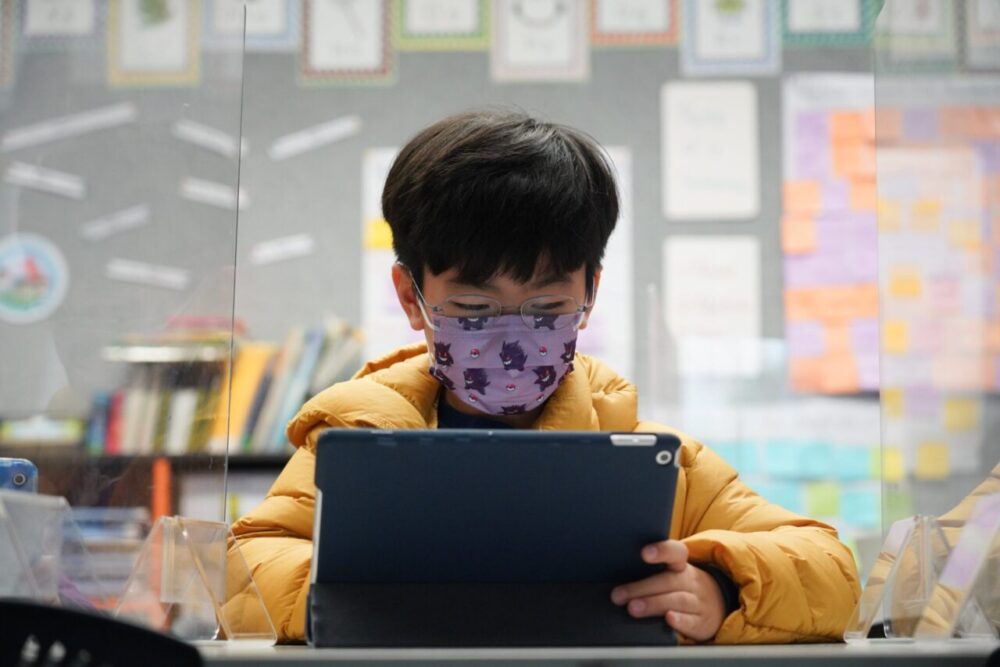
Use Of Technology In Class
With a growing technology industry and thirst for more gadgets, it can be daunting for parents to know what should and shouldn’t be used with young children.